
 登录
登录
连接,
学习,
铅
加入我们的旅程,创造一种文化,在这种文化中,影响力律师积极支持、分享和合作,以扩大我们社区的影响力。
关于我们 Us
此 全球影响力律师联盟 (GAIL) 是一个由法律领袖组成的社区,他们正在利用法律实践对人类和地球产生积极影响,并加速公正的过渡。 我们相信律师在促进变革和支持朝着更公平的体系迈进方面具有独特的优势。
此 全球影响力律师联盟 在我们的运营中是独一无二的。 我们正在利用律师的专业知识来加速企业模式和资本的转变,以确保业务真正成为一种可持续的力量,同时从各个影响学科中汲取教训。

精神领袖
影响力律师正在通过设计新的公司和融资结构、起草新的立法和提出开创性的案例来重新定义法律和法律实践。

互动
全球影响力律师联盟社区通过活动和我们的会员平台建立联系。 成员对于我们培养下一代影响力律师的使命至关重要。

知识共享
在全球影响力律师联盟活动和会议期间,利用在影响力经济各个领域工作的律师的知识。

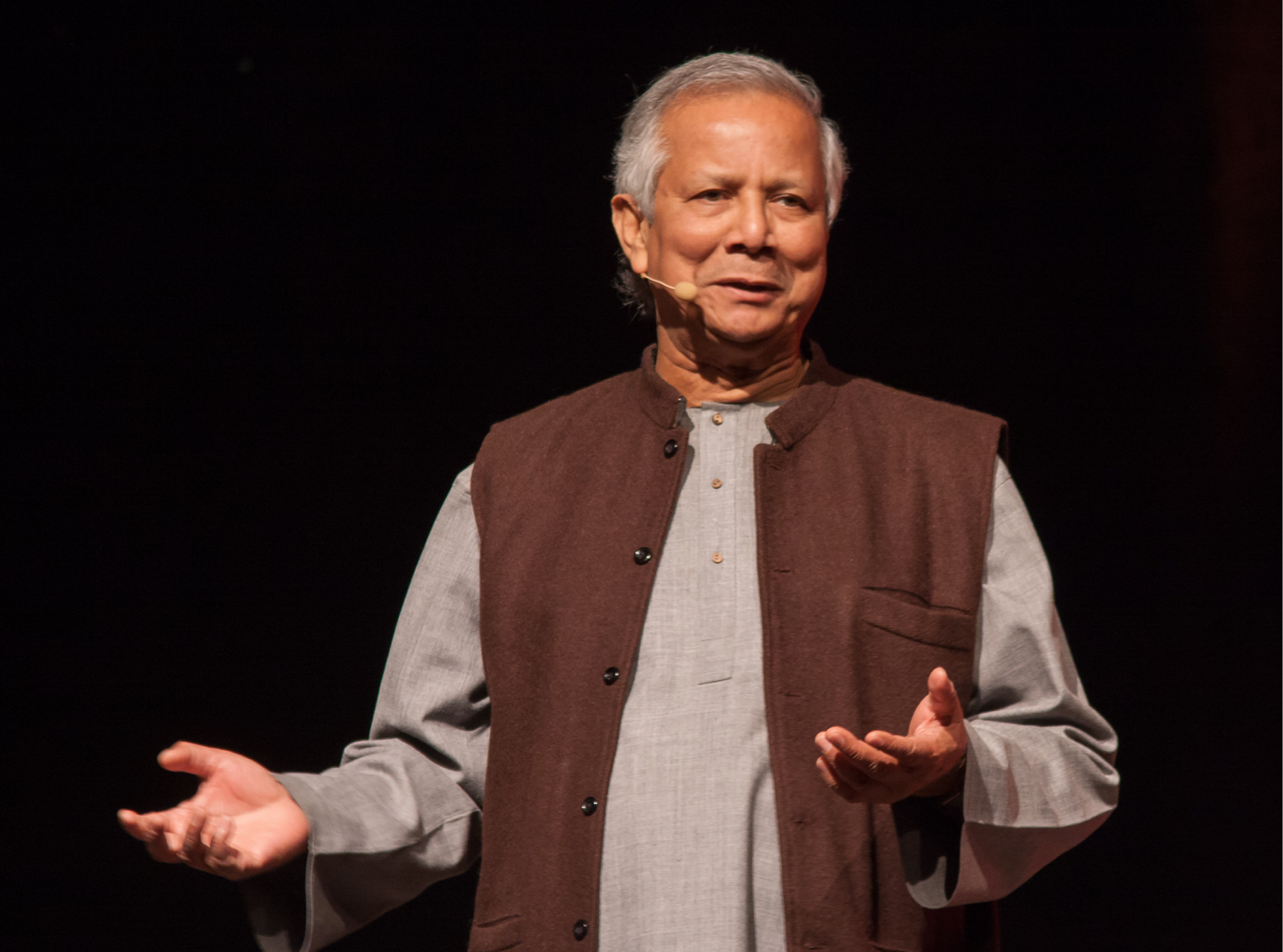

“所有人类都是
- 穆罕默德尤努斯教授,
天生的企业家。 一些
有机会释放
那个能力。”
诺贝尔和平奖获得者

-
活动预告 精彩活动

-
活动预告 精彩活动

会员日:在变革时代的影响
查看更多 →会员日:变革时代的影响本次为期一天的会员活动将探讨法律如何支持公正且可持续的经济发展。欢迎参加我们的主题演讲、小组讨论和研讨会,了解新兴方法——包括聚焦非洲的发展动态。
最近 评估洞察
-
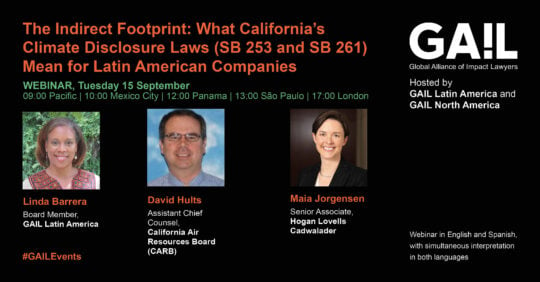
加州气候信息披露法对拉丁美洲公司意味着什么
间接足迹:加州气候信息披露法(SB 253 和 SB 261)对拉丁美洲公司意味着什么 语言:英语和西班牙语,提供两种语言的同声传译 翻译说明:本页面包含英语和西班牙语的原创内容。当您以西班牙语浏览本网站时,本页面的英文内容将自动翻译。 了解更多…
董事会成员
我们的成员致力于促进影响法或希望帮助催生新兴的替代经济范式,这些范式将人类和地球与利润放在首位。 在下面浏览我们的成员列表。




创建 会员专区
我们社区的创始成员是各自领域的领导者,他们致力于利用法律实践对人类和地球产生积极影响。

英国

英国

美国

澳大利亚

全球

全球

全球

跨国矿业

全球

比利时

阿根廷

意大利和英国

跨国矿业

全球

全球

跨国矿业

意大利

The Netherlands

肯尼亚

乌拉圭